MEET TEAM
CHRONO-CAT
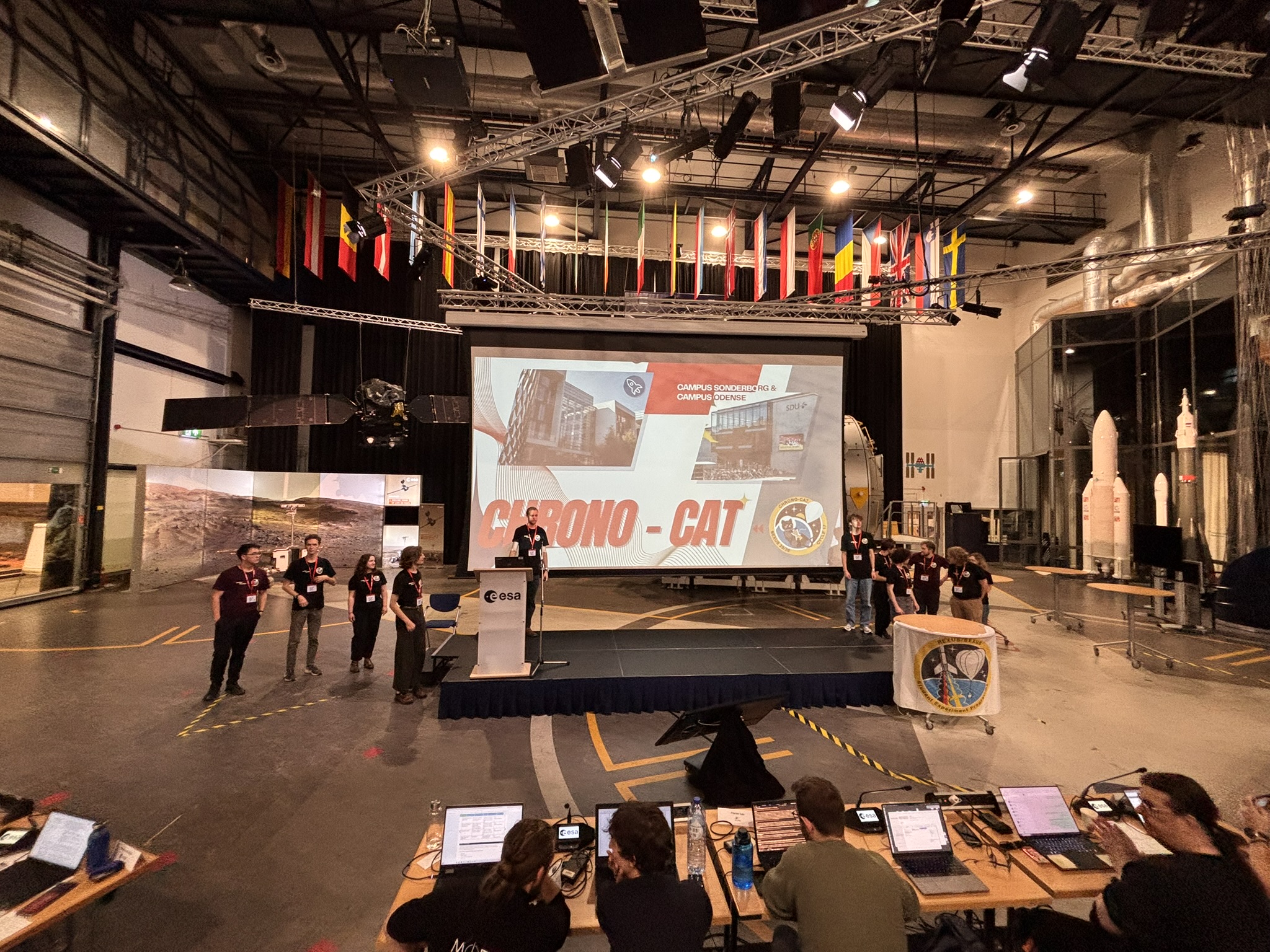
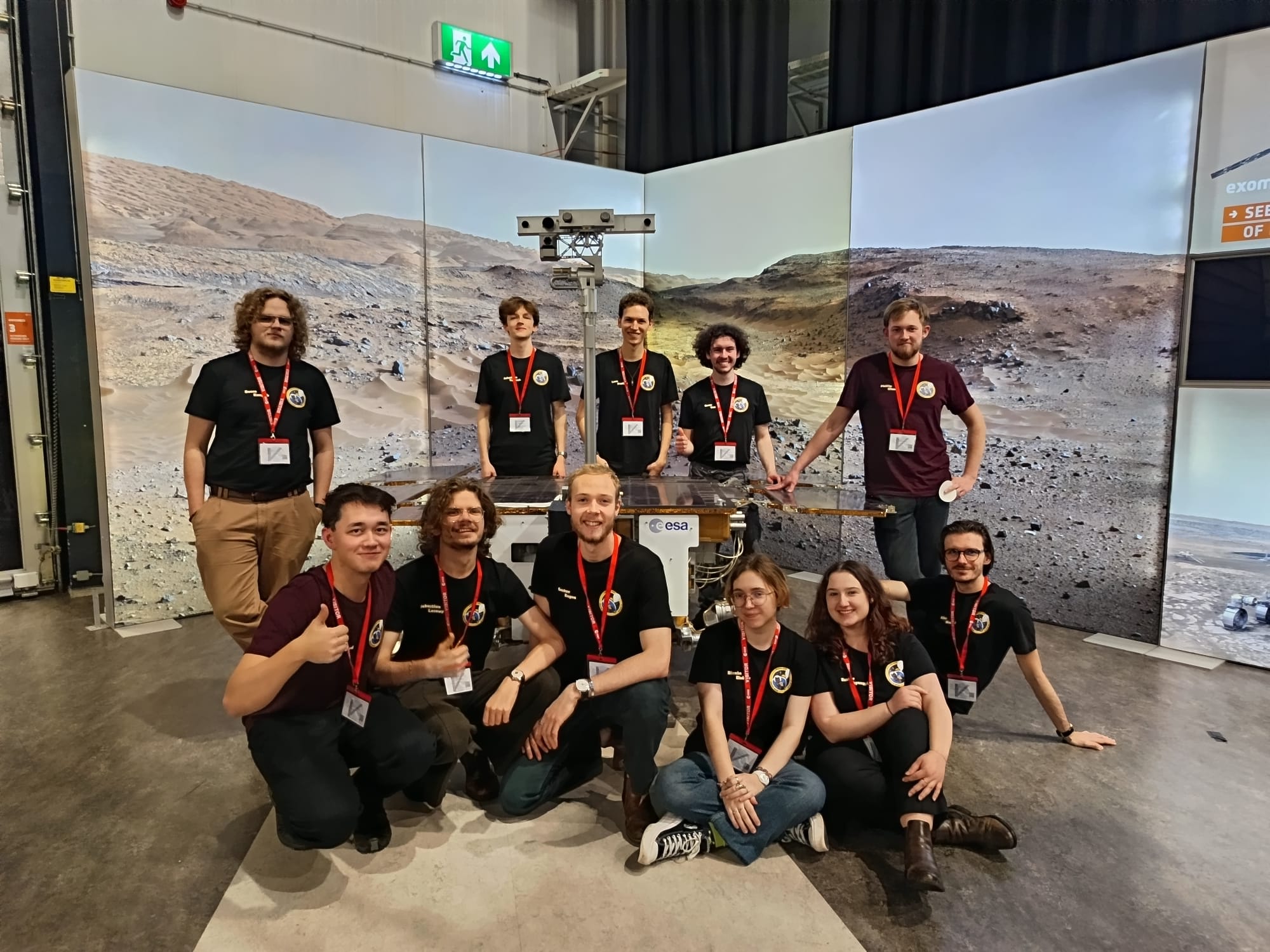
We are Team CHRONO-CAT, an interdisciplinary engineering team from the University of Southern Denmark, representing campuses in both Odense and Sønderborg. We are invested in the REXUS/BEXUS program, having been selected as one of only 6 teams for its 17th cycle.
Our mission objective is to design and build a scientific payload to be flown on the BEXUS balloon. The experiment we have designed tackles crucial engineering challenges connected to the reliability of electronics in harsh radiation environments.
More about the EXPERIMENT:
"Characterization of High-altitude Radiation on Oscillator Noise and Output Stability + Radiation Detector - Comparative Atmospheric Test"
Our mission is twofold:
- The CHRONOS Experiment will perform a high-precision qualification of critical timing components (crystal oscillators) and measure their frequency stability to determine how they are affected by cosmic radiation.
- The RAD-CAT Experiment will perform a "Comparative Atmospheric Test" of a novel, custom-developed organic semiconductor to assess its performance as a lightweight, real-time radiation sensor (dosimeter).
By flying these experiments together, we will gather valuable data to qualify next-generation components and improve the reliability of future satellite and aerospace systems. This ambitious project places SDU at the forefront of student-led space technology.
The CHRONO-CAT experiment is going to fly in October 2026, if you want to know more and follow our progress, follow us on Instagram @chrono.cat.
The project is entirely student driven and operated by its passionate team, as well as self funded. If you’d like to help out or contribute to this incredible opportunity, reach out at chrono-cat@the-arc.dk.